




Quality Size Stones for Construction Projects

Quality Size Stones for Construction Projects : in Mysore
Quality Size Stones for Construction Projects are an important part of building strong, durable and dependable structures. Whether you are constructing a new home, developing a commercial building, planning a compound wall or working on a large construction site, choosing the right stones in the right size can make a significant difference to your project.
If you are looking for size stones in Mysore, selecting a dependable construction materials supplier can help you find suitable materials for different stages of construction. From foundation work and stone masonry to compound walls, landscaping and other building applications, the right material selection helps support efficient construction and better project planning.
As a construction materials supplier in Mysore, we supply a wide range of construction materials, from foundation to finishing. We understand that every project has different requirements. A residential house may need different stone sizes from a commercial complex, a boundary wall or a landscaping project.
Our goal is to help homeowners, builders, contractors and developers source suitable size stones and other essential construction materials according to their requirements, quantities, specifications and project budgets.
In this guide, you will learn about different types of size stones, their construction applications, how to choose suitable materials, what to check before ordering and why working with a local construction materials supplier in Mysore can make material procurement easier.
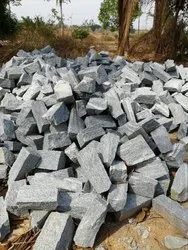
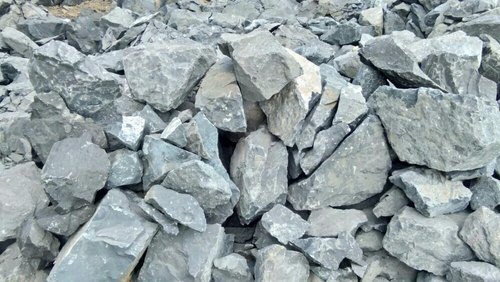
Table of Contents
- What Are Size Stones in Construction?
- Why Quality Size Stones Matter
- Types of Size Stones for Construction Projects
- Common Applications of Size Stones
- How to Choose the Right Stone Size
- Important Quality Checks Before Buying
- Size Stones for Residential Construction
- Size Stones for Commercial Projects
- Size Stones for Compound Walls and Landscaping
- Factors That Affect Size Stone Prices in Mysore
- How to Estimate Your Stone Requirements
- Benefits of Buying from a Local Supplier in Mysore
- Our Construction Materials Supply Services
- Common Mistakes to Avoid When Buying Stones
- Sustainable and Responsible Material Selection
- Frequently Asked Questions
- Conclusion
What Are Size Stones in Construction?
Size stones are stones supplied in particular dimensions or approximate size ranges for use in different construction activities. Depending on the local market and the supplier, the term may refer to building stones, rubble stones, dressed stones, foundation stones, stone blocks or other stones selected for specific applications.
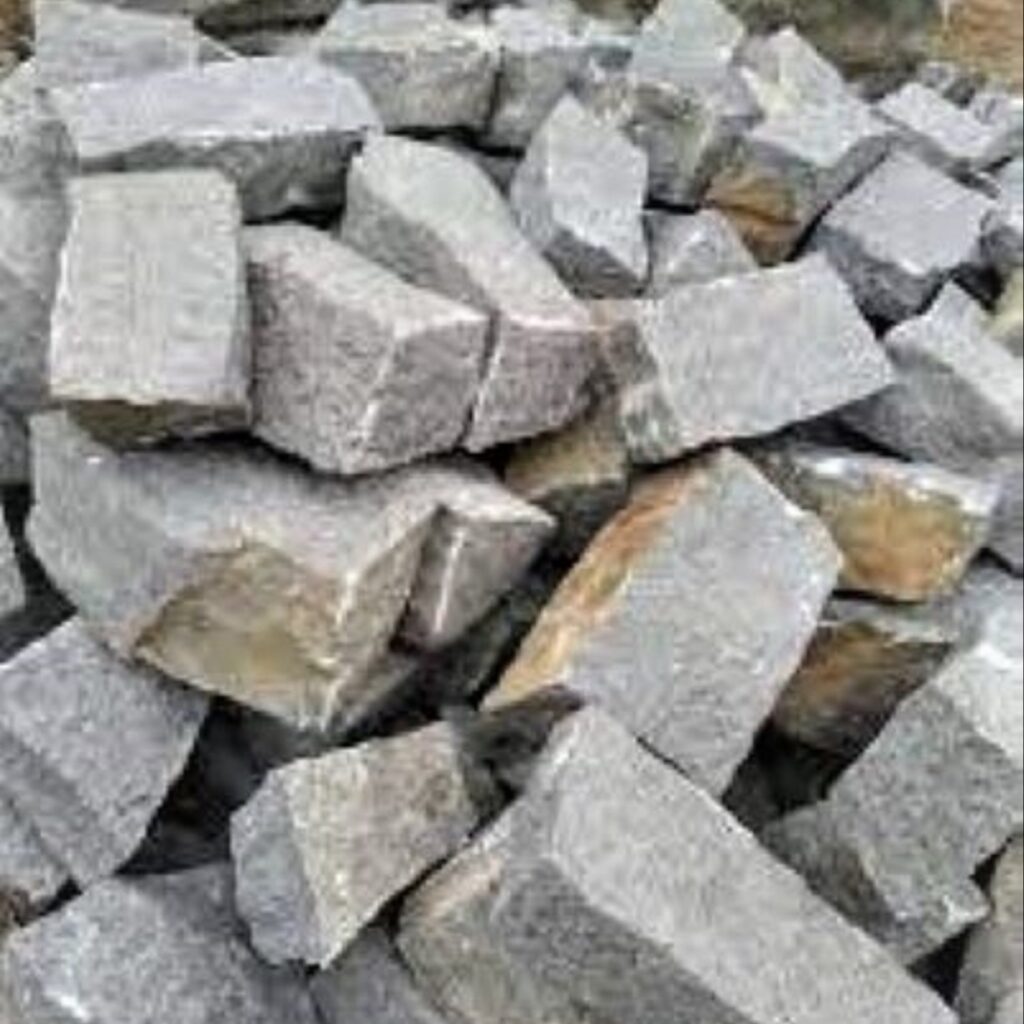
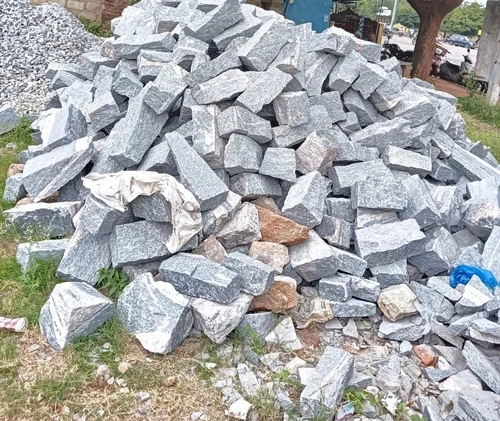
The exact meaning can vary from one region, quarry or construction project to another. For this reason, it is important to confirm the material type, dimensions and intended use when placing an order.
Size stones are commonly used in foundation-related work where specified by the project design, stone masonry, compound walls, retaining structures, landscaping and certain civil engineering applications.
Different projects require different characteristics. For example, stones used in masonry may need suitable dimensions, shape and strength, while stones intended for decorative applications may need a particular appearance or finish.
Choosing the correct material involves more than selecting a large or heavy stone. Its quality, suitability, durability and compatibility with the construction design must also be considered.
Why Are Stones Supplied in Different Sizes?
Construction work involves different structural and finishing requirements. A stone that is suitable for one application may not be appropriate for another.
Stones are therefore selected according to factors such as:
- The purpose for which the material will be used.
- Required dimensions and thickness.
- Shape and ease of placement.
- Strength and durability requirements.
- The type of masonry or construction method.
- Site access and handling arrangements.
- Project drawings and technical specifications.
For example, irregular stones may be suitable for certain rubble masonry applications, while a project requiring more uniform joints may call for stones that have been selected or dressed to specified dimensions.
Before ordering, builders should communicate their requirements clearly so the supplier can help identify an appropriate material category.
Why Quality Size Stones Matter for Construction Projects
The quality of building materials has a direct influence on construction planning, workmanship and long-term performance. Stones are no exception.
Quality Size Stones for Construction Projects should be selected according to the intended application rather than price alone. Using appropriate materials can help construction teams work efficiently and reduce avoidable material wastage.
1. Suitable Strength for the Intended Application
Different stones have different physical and mechanical properties. The suitability of a particular stone depends on its intended use and the design requirements.
Where stones are used in structural or load-bearing applications, their properties should be evaluated against the relevant specifications. A qualified engineer should determine whether the selected material is suitable for the intended structural purpose.
2. Better Construction Workmanship
Stones with appropriate dimensions and shapes can make laying, positioning and jointing more manageable.
Uniformity may be particularly important in applications where the appearance, alignment or dimensions of masonry are specified. However, the required level of uniformity depends on the type of stonework being carried out.
3. Improved Project Planning
Ordering suitable sizes and quantities helps contractors plan deliveries, labour and material storage more effectively.
It also reduces the risk of receiving materials that cannot be used for the planned activity without additional cutting or processing.
4. Long-Term Durability
Stone durability depends on its material properties, exposure conditions, workmanship and maintenance.
Selecting suitable stones and installing them correctly can help reduce problems associated with premature deterioration. In exposed or moisture-prone locations, factors such as weathering resistance and water absorption may also be relevant.
5. Better Control Over Material Costs
The cheapest material is not necessarily the most economical option.
A stone that requires extensive cutting, creates substantial waste or is unsuitable for the application can increase the overall cost. Comparing material price, transport, handling and expected wastage provides a more useful basis for purchasing decisions.
Types of Size Stones for Construction Projects
There are several categories of stones used in construction. Availability, naming and dimensions may differ among suppliers, so customers should confirm the exact product before ordering.
As a construction materials supplier in Mysore, we cater to a variety of construction material requirements and can help customers identify suitable stone categories according to their project needs and current stock availability.
1. Foundation Stones
Foundation stones are stones selected for particular foundation-related applications where stone construction is specified.
Depending on the project, these materials may need suitable dimensions, strength, shape and durability. The foundation design, soil conditions, loads and local engineering requirements determine whether stone masonry is appropriate.
Common applications may include:
- Specified stone masonry foundations.
- Certain low-rise building projects.
- Traditional construction work.
- Other applications approved in the project design.
Foundation materials should never be selected on size alone. Always follow the structural drawings and recommendations of the project engineer.
2. Rubble Stones
Rubble stones are generally irregular or roughly shaped stones used in particular types of masonry.
They may be used where the design allows irregular stone shapes and the required workmanship can be achieved using the selected material.
Potential applications include:
- Rubble masonry walls.
- Certain boundary walls.
- Selected retaining structures.
- Traditional stonework and landscape features.
The stones must be suitable for the intended masonry method. Wall thickness, mortar, bonding, drainage and structural design remain important considerations.
3. Building Stones
Building stones are natural stones used in masonry and other building applications. They can vary in geological composition, colour, dimensions and finish.
The right type depends on the project requirements, local availability and intended use.
When purchasing building stones, ask about their source, approximate dimensions, consistency and suitability for the planned work.
4. Dressed Stones
Dressed stones are stones that have been cut or worked to achieve specified shapes, dimensions or surface finishes.
They may be useful where more accurate dimensions or a particular appearance is required.
Possible applications include:
- Specified masonry work.
- Architectural stone features.
- Selected wall-facing applications.
- Decorative stonework.
The level of dressing required should be agreed upon before ordering because additional processing may affect the price and delivery time.
5. Stone Blocks
Stone blocks are larger pieces of stone that may be supplied in regular or approximate shapes, depending on the material and intended application.
Their dimensions, weight and suitability should be checked before purchase.
For architectural or structural use, the material must meet the relevant project specifications. Large dimensions alone do not establish that a stone is suitable for a particular load or application.
6. Laterite Stones
Laterite is a naturally occurring material used for construction in some regions. Laterite blocks may be used in masonry where the material is suitable and the design permits their use.
Their characteristics can vary depending on the source and local conditions.
Before selecting laterite stones, consider their strength, weathering behaviour, moisture exposure and the requirements of the building design.
7. Granite and Other Hard Stones
Granite and other hard natural stones are used in various construction and architectural applications.
Depending on the stone and its processing, applications may include steps, selected masonry, flooring, paving, wall features and landscaping.
Not every granite product is intended for the same application. Dimensions, finish, strength, installation requirements and surface properties should be considered before purchasing.
8. Stones for Boundary and Compound Walls
Boundary walls and compound walls may use different stone categories depending on the design, appearance and construction method.
Some projects use rubble masonry, while others require dressed stone or a combination of materials.
The correct choice depends on wall height, soil conditions, wind exposure, drainage, foundation design and the engineer’s specifications.
9. Stones for Landscaping
Landscaping projects may use natural stones for garden borders, selected retaining features, decorative arrangements and other outdoor applications.
Appearance, shape, weather resistance and safe placement are important considerations.
If stones will be used near pathways, steps or areas where people walk, ensure the design and installation provide a stable and safe surface.
10. Special-Size and Project-Specific Stones
Some construction projects require materials that do not fall neatly into a standard size category.
Examples may include stones with specified thicknesses, larger pieces, particular shapes or materials selected for a project drawing.
Customers should share their required dimensions, photographs, drawings or site details before ordering. This makes it easier to check availability and identify a suitable supply option.
Availability note: We supply a variety of construction materials and cater to different size-stone requirements. Specific stone varieties, dimensions, finishes and quantities should be confirmed with us before finalising an order.
Common Applications of Size Stones
Size stones can serve different purposes across residential, commercial and civil construction. Their use must always match the material properties and approved construction design.
Foundation and Masonry Work
Where stone masonry is specified, suitable stones may be used for the foundation or masonry elements according to the engineer’s design.
The dimensions and characteristics of the stones should suit the required masonry technique. Correct bonding, mortar selection and workmanship are also essential.
Compound Walls and Boundary Walls
Stone masonry can provide a distinctive appearance for boundary walls and compound walls.
The material choice depends on the height, thickness, foundation, loading conditions and finish requirements. Proper detailing and drainage are particularly important where the wall retains soil or is exposed to water pressure.
Retaining Structures
Certain stones may be used in retaining structures designed for the purpose. However, retaining walls must account for soil pressure, drainage, stability and other engineering requirements.
A suitable engineer should determine the wall design and material specifications before construction begins.
Pathways and Outdoor Features
Selected natural stones may be used in garden pathways, stepping features, borders and other outdoor design elements.
For walking surfaces, surface texture, slip resistance, drainage and stability should be considered.
Architectural and Decorative Work
Dressed or selected natural stones can contribute to the appearance of a building.
They may be used for specified wall features, landscape accents, steps and other architectural elements, depending on the product’s properties and the design.
How to Choose the Right Stone Size
Choosing the correct stone involves matching the material to the project rather than purchasing whatever is immediately available.
Step 1: Identify the Intended Application
First, decide where the stones will be used.
Are they intended for foundation masonry, a compound wall, retaining work, landscaping or a decorative feature? Each application may require different dimensions and material properties.
Step 2: Confirm the Required Dimensions
Ask your contractor or engineer to specify the required dimensions or acceptable size range.
Do not assume that terms such as small size, medium size or large size mean the same thing to every supplier.
Where precise dimensions matter, obtain them in writing.
Step 3: Check the Material Type
Ask whether the material is rubble stone, dressed stone, a specific geological stone or another product category.
The material type should match the requirements of the construction work.
Step 4: Consider Strength and Durability
For applications involving structural performance, check the specifications and relevant test information required for the project.
Visual inspection can help identify obvious defects, but it cannot establish every important property of a stone.
Step 5: Calculate the Quantity
Estimate the required quantity from the drawings or measurements and confirm how the supplier sells the material.
Depending on the product, it may be sold by weight, volume, piece or another agreed unit.
Include a reasonable allowance for cutting and breakage where appropriate, but avoid ordering excessive quantities without a clear reason.
Step 6: Confirm Delivery Arrangements
Discuss the delivery location, vehicle access, unloading method, expected delivery schedule and transport cost.
These details are especially important for heavy materials and sites with narrow roads or restricted access.
Step 7: Compare the Complete Cost
Compare the material price together with transport, unloading, handling, cutting and any other applicable charges.
A clear quotation helps prevent misunderstandings and makes it easier to plan the project budget.
Important Quality Checks Before Buying Size Stones
Before accepting a delivery, take time to check whether the material matches the order and the project specifications.
Check the Dimensions
Measure representative stones when dimensions are important. Confirm that the delivered material falls within the agreed size range.
For irregular stones, agree on how size will be described and assessed before purchase.
Look for Visible Damage
Inspect the material for excessive cracking, broken edges, unwanted weathering or other visible defects that may affect its intended use.
The significance of a defect depends on the application, so seek technical advice when necessary.
Confirm the Stone Type
Make sure the delivered material matches the agreed variety or category.
This is particularly important when a project specifies a particular stone, colour, finish or source.
Review Relevant Test Information
For specified structural or engineering applications, ask for the required test reports or technical documentation.
The Bureau of Indian Standards provides information about Indian Standards and testing methods for natural building stones.
Reference: Bureau of Indian Standards – Know Your Standard
Check Quantity and Delivery Documentation
Verify the delivered quantity against the purchase order, invoice or delivery note.
If the quantity is measured by weight or volume, confirm the agreed measurement method.
Inspect Storage and Handling
Store stones in a manner that minimises damage, contamination and unsafe stacking.
Keep the material organised so that workers can identify the required category and size without unnecessary handling.
Size Stones for Residential Construction
Building a home involves multiple stages, from site preparation and foundation work to walls, roofing, flooring and finishing.
The stone requirements depend on the architectural design and the construction method.
Independent Houses
Residential projects may require stones for specified masonry work, boundary walls, garden features or other approved applications.
Homeowners should discuss the required materials with their contractor before purchasing.
Duplex Houses and Villas
Larger homes may include compound walls, outdoor steps, landscape features and architectural stonework.
These features may require different types and sizes of stone, so it helps to prepare a material list for each part of the project.
Renovation Projects
Renovation work may require stones that match an existing structure or suit a specific repair.
Measurements and photographs can help communicate the requirement. However, the final selection should be based on compatibility with the existing construction and the planned repair method.
Why Homeowners Should Plan Early
Ordering materials before the construction stage begins can help reduce last-minute delays.
Confirm quantities, specifications, delivery dates and unloading arrangements with your contractor and supplier.
Size Stones for Commercial Projects
Commercial projects often have tighter schedules, larger material quantities and more detailed specifications.
Examples include offices, shops, warehouses, institutional buildings and other developments.
Plan Bulk Requirements
Contractors should estimate quantities from approved drawings and construction schedules.
A clear supply plan helps coordinate delivery with labour availability, storage space and the construction sequence.
Follow Project Specifications
Commercial projects may specify particular materials, dimensions, testing requirements or acceptance criteria.
Share the relevant specifications with the supplier before confirming the order.
Coordinate Multiple Deliveries
Where site storage is limited, scheduled deliveries may help reduce congestion and unnecessary material handling.
The feasibility of staged delivery depends on stock availability, transport arrangements and the supplier’s delivery schedule.
Maintain Clear Documentation
Purchase orders, invoices, delivery notes and relevant material documentation help project teams track quantities and verify that deliveries match their requirements.
Size Stones for Compound Walls and Landscaping
Compound walls and landscaping features are common reasons homeowners and developers purchase natural stones.
The right stone can contribute to the visual character of a property while meeting the needs of the planned construction.
Compound Wall Construction
Stone selection should take into account wall height, thickness, appearance and the design of the foundation.
Where the wall retains soil or is subject to significant loads, proper engineering and drainage are essential.
Garden Borders and Decorative Features
Smaller or irregular stones may be suitable for certain decorative features, depending on the design.
Choose materials that fit the intended appearance and can be installed securely.
Outdoor Steps and Pathways
Stone steps and pathways require attention to stability, drainage, surface texture and safe use.
The finish and installation method should be appropriate for the exposure conditions and intended traffic.
Retaining and Level-Change Features
A change in ground level may require a properly designed retaining structure rather than a simple decorative stone arrangement.
Always obtain engineering advice for retaining walls and other structures that resist soil pressure.
Factors That Affect Size Stone Prices in Mysore
The price of size stones in Mysore can vary according to the product, quantity, source and delivery requirements.
Instead of comparing only the quoted price per unit, consider the full delivered cost.
Type of Stone
Different stone types have different sourcing, processing and handling costs.
Natural variation, required properties and the intended application can also influence the choice.
Size and Dimensions
Larger stones or stones requiring more precise dimensions may involve different handling or processing costs.
Confirm the actual dimensions and material category before comparing quotations.
Quantity Ordered
The total quantity can affect transport arrangements and the commercial terms offered by a supplier.
Ask for a quotation based on your project’s estimated requirement.
Transportation Distance
The distance between the material source or stockyard and the construction site can affect delivery cost.
Road access, vehicle type, loading and unloading arrangements may also influence the final price.
Cutting and Dressing
Stones that require cutting, shaping or surface finishing may cost more than comparable undressed material.
If the project needs dressed stones, clarify the required finish and dimensions before placing the order.
Market Availability
Prices and delivery schedules can change with local availability, transport conditions and demand.
For this reason, request a current quotation rather than relying on an old price found online.
How to Request an Accurate Quotation
To receive a useful quotation, provide the following information:
- Your delivery location in or around Mysore.
- The intended application.
- The stone type, if already specified.
- Required dimensions or acceptable size range.
- Estimated quantity.
- Delivery date or project schedule.
- Any special technical requirements.
With these details, the supplier can check the material requirements and provide more relevant pricing and delivery information.
How to Estimate Your Stone Requirements
An accurate estimate helps reduce unnecessary purchases and avoid material shortages.
Start With the Project Drawings
Use the approved drawings and measurements to identify the area or volume requiring stonework.
The calculation method depends on the type of construction and how the material is supplied.
Understand the Measurement Unit
Stone may be sold by weight, volume, piece or another agreed unit.
Do not convert between units without appropriate information about dimensions, density and the supplier’s measurement method.
Allow for Practical Wastage
Cutting, fitting, breakage and the shape of irregular stones can affect the usable quantity.
The allowance should be based on the material type and construction method rather than an arbitrary percentage applied to every project.
Confirm With Your Contractor
Ask the contractor or site engineer to review the estimate before placing a large order.
This is especially important for structural masonry, retaining walls and projects with specific material requirements.
Plan Storage and Delivery
The site must have adequate space to receive and store the material safely.
Coordinate deliveries so that the material arrives when it can be handled and used appropriately.
Benefits of Buying From a Local Construction Materials Supplier in Mysore
Choosing a local supplier can make material procurement more convenient for projects in Mysore and surrounding areas.
The benefits depend on the supplier’s stock, logistics, service and ability to meet your specifications.
Convenient Local Coordination
Working with a supplier familiar with the Mysore market can make it easier to discuss delivery locations, site access and project requirements.
A Range of Construction Materials
When one supplier can provide multiple categories of construction materials, customers may find it easier to coordinate purchasing across different stages of a project.
Our business supplies construction materials from foundation to finishing, helping customers discuss their requirements in one place.
Support for Different Project Sizes
Residential construction, renovation, compound walls and larger developments can have different material needs.
Discussing the application and quantity helps identify a suitable supply option.
Delivery Planning
Heavy construction materials require suitable transport and unloading arrangements.
Confirm the delivery schedule, charges and vehicle access before finalising the order.
Better Communication
Clear communication about dimensions, quantity, price and delivery expectations helps prevent avoidable misunderstandings.
Share your drawings, specifications or material list whenever possible.
Our Construction Materials Supply Services in Mysore
As a construction materials supplier in Mysore, we aim to support customers with material requirements across different stages of building construction.
We understand that a project involves more than one product. Foundation work, masonry, structural construction and finishing may each require different materials at different times.
Wide Range of Size Stones
We cater to different size-stone requirements for construction projects, subject to the specifications and availability of each material.
Whether you need stones for specified masonry, compound walls, landscaping or another approved application, share your requirements so that the appropriate options can be checked.
Materials From Foundation to Finishing
Along with size stones, we supply a range of construction materials required for various stages of a building project.
Customers can discuss their material lists and identify which products can be sourced through us.
For the best result, confirm each product’s specification, quantity and availability before ordering.
Support for Homeowners and Contractors
We serve construction material requirements for different types of customers, including homeowners, builders, contractors and other project buyers.
Providing clear information about the project helps us understand the required material category and delivery arrangements.
Supply for Different Construction Requirements
Every project is different. Some require a small quantity of stone for a compound wall, while others need materials for a larger construction schedule.
Contact us with the project details to discuss quantities, current availability, pricing and delivery options.
Serving Mysore and Nearby Areas
If your construction site is in Mysore or a surrounding area, share the delivery location when requesting a quotation.
Delivery feasibility, charges and timing should be confirmed according to the destination and the materials ordered.
Planning a construction project? Contact us to discuss your size-stone requirements and other construction materials. We can check the available options and help you plan your material order.
Common Mistakes to Avoid When Buying Size Stones
Avoiding a few common purchasing mistakes can make construction material procurement more straightforward.
Choosing Only by Price
A low initial price may not represent the lowest overall cost.
Compare material suitability, dimensions, delivery expenses, processing requirements and likely wastage.
Ordering Without Confirming Dimensions
Words such as large, small and standard can be interpreted differently.
Provide the required measurements or ask for confirmation of the supplier’s size range.
Ignoring the Intended Application
A stone suitable for landscaping may not be suitable for structural masonry.
Confirm the intended use and follow the project’s technical specifications.
Failing to Check Delivery Charges
Transportation can be a significant part of the cost of heavy materials.
Ask whether the quotation includes delivery and unloading or whether these are charged separately.
Not Checking Quantity on Delivery
Verify the delivered quantity and inspect the material before accepting it.
Keep the purchase order and delivery documentation available for reference.
Ordering Too Late
A delayed material order can affect the work schedule.
Discuss lead times and availability before the construction team reaches the stage when the stones are needed.
Relying Only on Appearance
A stone can look strong without meeting the technical requirements for its intended use.
For critical applications, use the relevant specifications and testing information rather than visual inspection alone.
Sustainable and Responsible Material Selection
Responsible material purchasing considers more than the initial cost.
Natural stones require extraction, processing and transportation, all of which can have environmental impacts. Choosing an appropriate material and planning its use carefully can help reduce avoidable waste.
Order Suitable Quantities
Estimate the quantity from the project requirements and review the estimate before ordering.
Better planning can help avoid excess material and unnecessary transport.
Minimise Cutting Waste
Where the design allows, choosing suitable dimensions and coordinating cutting requirements may reduce waste.
However, do not compromise structural requirements simply to reduce offcuts.
Check the Source and Suitability
Ask relevant questions about the material’s origin, quality and intended application.
Where project documentation or regulatory requirements apply, ensure that the materials meet them.
Store Materials Properly
Safe, organised storage can help reduce breakage and material loss.
Keep access routes clear and follow appropriate site handling procedures.
Follow Professional Guidance
Construction materials should be selected and installed in accordance with the approved design, relevant standards and professional advice.
The correct material choice is one part of building safely and responsibly.
Frequently Asked Questions About Size Stones in Mysore
1. What are size stones used for in construction?
Size stones can be used in specified stone masonry, compound walls, certain foundation applications, landscaping, retaining structures and architectural features. Their suitability depends on the stone type, dimensions and project design.
2. Where can I buy size stones in Mysore?
You can contact a construction materials supplier in Mysore and explain your intended application, required dimensions and quantity. Confirm the available stone varieties, current prices and delivery arrangements before ordering.
3. Do you supply different sizes of stones?
We cater to a variety of size-stone requirements. Specific sizes, stone types and quantities should be confirmed according to current availability and the project’s specifications.
4. Which size stone is best for foundation work?
There is no single size that is best for every foundation. The correct material and dimensions depend on the foundation design, soil conditions, structural requirements and approved construction method. Consult your engineer before ordering.
5. Can size stones be used for compound walls?
Yes, suitable stones can be used for compound walls where the construction design specifies stone masonry. The appropriate type, dimensions, wall design and drainage arrangements should be confirmed before construction.
6. What is the price of size stones in Mysore?
Prices depend on the type of stone, size, quantity, processing and delivery location. Request a current quotation with your required dimensions and quantity for an accurate estimate.
7. Can I order stones in bulk for a construction project?
Bulk supply may be possible depending on the material, stock and delivery arrangements. Share your estimated quantity, project location and required delivery schedule to check availability.
8. Do you supply construction materials apart from size stones?
Yes. We supply a range of construction materials for different stages of building work, from foundation to finishing. Contact us with your material list to confirm which products are available for your project.
9. How do I know whether a stone is good quality?
Check whether the material matches the agreed type, dimensions and specifications. Inspect for visible defects and obtain relevant test information where required. Visual inspection alone cannot confirm all engineering properties.
10. How much stone should I order for my project?
The required quantity depends on the dimensions of the work, stone type, masonry method and expected cutting or breakage. Use the approved drawings and have the estimate reviewed by your contractor or engineer.
11. Are all natural stones suitable for outdoor construction?
No. Natural stones vary in strength, weathering resistance, water absorption and surface characteristics. Select materials according to the exposure conditions and intended application.
12. Can stones be delivered directly to my construction site?
Delivery depends on the destination, material availability, vehicle access and scheduling. Provide the site location and required quantity so that delivery options can be confirmed.
13. Should I choose rubble stones or dressed stones?
Rubble stones are generally irregularly shaped, while dressed stones have been worked to specified shapes or finishes. The correct choice depends on the masonry technique, appearance and project specifications.
14. What information should I provide when requesting a quotation?
Provide your location, intended application, required stone type, dimensions, estimated quantity and delivery schedule. Drawings or photographs can help explain project-specific requirements.
15. Why should I buy construction materials from a local supplier?
A local supplier may make communication, delivery coordination and repeat orders more convenient. Compare the supplier’s material availability, pricing, service and delivery arrangements before deciding.
Conclusion: Find Quality Size Stones for Construction Projects in Mysore
Quality Size Stones for Construction Projects are an important consideration when planning masonry, compound walls, landscaping and other construction work. The right choice depends on the material type, dimensions, intended application, technical specifications and overall project requirements.
Before placing an order, confirm the stone category, quantity, quality requirements, price and delivery arrangements. For structural applications, follow the approved drawings and obtain guidance from a qualified engineer.
As a construction materials supplier in Mysore, we supply a variety of construction materials from foundation to finishing and cater to different size-stone requirements, subject to availability and project specifications.
Whether you are building a new home, renovating a property, constructing a compound wall or managing a larger project, we encourage you to discuss your requirements with us before ordering.
Looking for size stones in Mysore? Contact us with your required dimensions, quantity and delivery location to discuss available options and request a quotation.
Choose suitable materials, plan your purchases carefully and work with the right construction professionals to help keep your project organised from foundation to finishing.
We will never break your trust like others do