




Size Stones for Strong and Durable Foundations

Size Stones for Strong and Durable Foundations : in Mysore
Introduction
Size Stones for Strong and Durable Foundations are an important construction material for building strong, stable and long-lasting structures. Whether you are constructing a new house, a commercial building, an apartment, a compound wall or another type of property, choosing suitable foundation materials is one of the most important steps in construction.
A building’s foundation transfers its weight safely to the supporting soil. Therefore, selecting appropriate construction materials and following the correct building methods are essential for the safety and durability of the structure.
If you are planning a construction project in Mysore, Karnataka, finding the right construction materials supplier can make your work easier. Quality stones, cement, sand, aggregates, steel and other building materials all play important roles in the construction process.
We are a construction materials supplier in Mysore, providing a wide range of materials required for different stages of construction, from foundation work to final finishing. We supply different varieties of size stones to meet the requirements of residential, commercial and other construction projects.
In this article, we will explain different types of size stones, their uses, important quality considerations, how to select suitable stones for foundations and why choosing the right supplier matters.
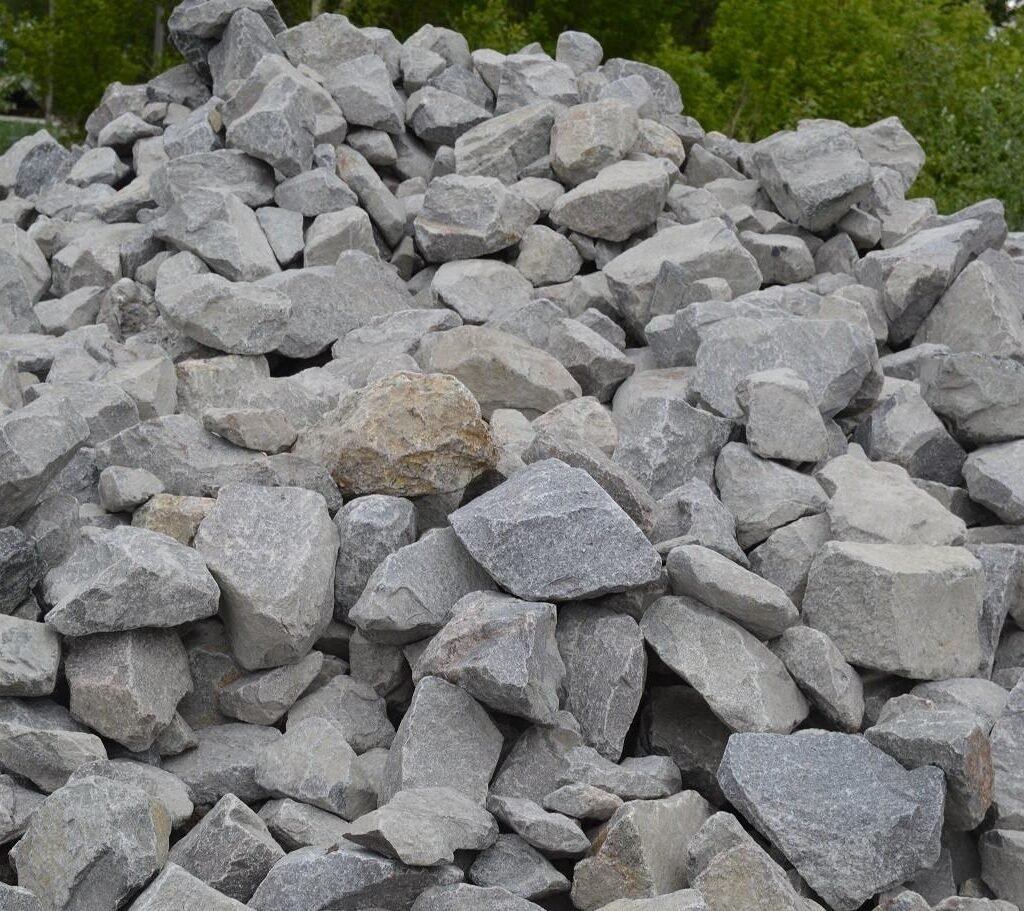
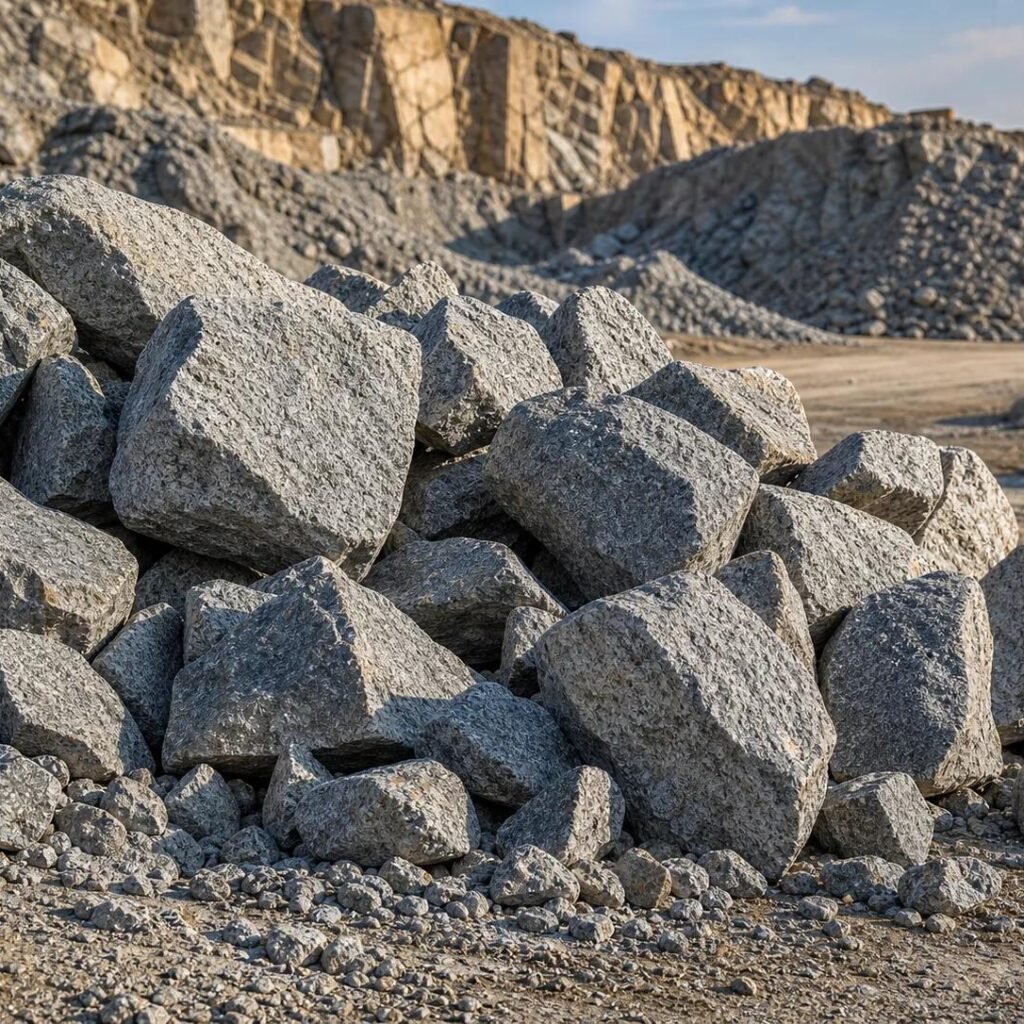
Table of Contents
- What Are Size Stones in Construction?
- Why Are Size Stones Important for Strong Foundations?
- Different Types of Size Stones Available for Construction
- Size Stones for House Foundation Work
- How to Choose the Right Size Stones
- Important Qualities of Good Foundation Stones
- Size Stones for Different Construction Projects
- Size Stones and Other Foundation Materials
- Common Mistakes to Avoid When Purchasing Size Stones
- Benefits of Buying Size Stones from a Reliable Supplier in Mysore
- How Much Size Stone Is Required for Foundation Work?
- Transportation and Delivery of Size Stones
- Why Choose Our Construction Materials Supply Service in Mysore?
- Frequently Asked Questions
- Conclusion
1. What Are Size Stones in Construction?
Size stones are natural stones obtained from quarries and supplied in different shapes and sizes for building and construction purposes.
They are commonly used in stone masonry, foundation work, retaining structures, compound walls, boundary walls and other civil engineering applications.
Depending on the construction requirement, stones may be supplied as irregular pieces, roughly dressed stones, larger blocks or selected sizes.
Unlike manufactured building materials, natural stones have different physical characteristics depending on their geological origin. Their strength, density, hardness, texture and water absorption can vary.
This is why selecting suitable stones is important before starting foundation or masonry work.
In Mysore and surrounding areas, size stones are commonly used in residential construction, independent houses, commercial buildings, farmhouses and compound walls.
What makes size stones useful?
- They are natural construction materials.
- They are available in different shapes and sizes.
- Suitable varieties can provide good durability.
- They can be used for different masonry applications.
- They are useful for foundation and retaining wall construction when properly selected and designed.
- They can be sourced in quantities suitable for small and large projects.
The right selection depends on the building design, soil conditions, structural requirements and the specifications provided by the engineer.
2. Why Are Size Stones Important for Strong Foundations?
The foundation is one of the most important parts of any building. It supports the structure and transfers its loads to the ground.
Poor material selection or incorrect construction practices can affect the performance of a building over time.
Using suitable stones for stone masonry foundation work can provide several benefits.
2.1 Strength and stability
Good-quality building stones with suitable strength can be used in masonry foundations designed to carry the required loads.
The stones must be appropriate for the intended application and should be placed according to proper masonry practices.
2.2 Long-term durability
Natural building stones are valued for their durability. However, not every stone is suitable for every construction application.
The stone should be free from major cracks, cavities, weak portions and other defects that may affect its performance.
2.3 Resistance to weather conditions
Foundations may experience moisture and changing environmental conditions.
Selecting stones with suitable physical properties and ensuring proper drainage and moisture protection can help improve the long-term performance of foundation masonry.
2.4 Suitable for different construction requirements
Size stones are used in different types of masonry work, including:
- Residential building foundations.
- Commercial building masonry.
- Compound wall construction.
- Retaining walls.
- Boundary wall foundations.
- Agricultural and farm structures.
- Other approved civil engineering applications.
2.5 Natural construction material
Natural stones are obtained from geological formations and can be used in several building applications.
Their properties differ based on the type of rock, quarry source and quality of the individual pieces.
For this reason, proper inspection and selection are important.
3. Different Types of Size Stones Available for Construction
One important advantage of working with an experienced construction materials supplier is having access to different types of stones according to project requirements.
We supply different varieties of size stones for construction applications in Mysore and nearby areas. The required type, size and quantity can be discussed according to the project specifications.
Below are some common categories and varieties of natural building stones used in construction.
3.1 Granite Stones
Granite is a widely used natural stone known for its hardness, strength and durability.
It is an igneous rock and is available in different colours, textures and mineral compositions.
Granite varieties may be used in:
- Suitable foundation masonry.
- Building construction.
- Retaining structures.
- Stone steps.
- Exterior applications.
- Landscaping and other stonework.
Granite is often selected where a durable natural stone is required. However, its suitability for foundation masonry should be checked according to its quality and engineering requirements.
3.2 Hard Stones for Foundation Work
Hard stones are commonly considered for masonry applications because of their ability to withstand compressive loads when they meet the required specifications.
These stones should be properly selected and should not contain significant cracks, weak layers or other defects.
They may be used for:
- Foundation masonry.
- Plinth masonry.
- Compound walls.
- Retaining walls.
- General building masonry.
The actual suitability depends on testing, stone quality and structural design.
3.3 Rubble Stones
Rubble stones are irregularly shaped natural stones that have not been fully dressed into regular blocks.
They are commonly used in rubble masonry construction.
Depending on the specification, rubble masonry may be used for foundation and plinth work, retaining walls and other masonry structures.
There are different forms of rubble masonry, including random rubble and coursed rubble masonry.
The stones must be arranged properly, with suitable bonding and mortar, according to the construction specification.
3.4 Rough-Dressed Stones
Rough-dressed stones are stones that have undergone basic dressing to improve their shape and suitability for masonry.
They are useful when a project requires stones with more controlled shapes than ordinary undressed rubble.
Their applications include:
- Masonry walls.
- Selected foundation work.
- Plinth construction.
- Boundary walls.
- Other stone masonry applications.
3.5 Large Size Stones
Large stones are used in certain masonry applications where the design and construction method require larger individual pieces.
They can be useful for specific foundation masonry, retaining structures and other heavy masonry applications.
The dimensions and weight must be considered before purchasing and transporting these stones.
3.6 Medium Size Stones
Medium-sized stones are used for different types of masonry work.
They may be suitable for applications where the construction design requires stones that are easier to handle and arrange.
Their final use depends on the dimensions, quality and requirements of the project.
3.7 Small Size Stones
Smaller stones may be used for filling appropriate spaces in masonry, packing and other approved applications.
They should not be used carelessly as a substitute for properly selected main masonry stones.
The mason must follow the correct construction method and ensure proper bonding.
3.8 Other Natural Building Stone Varieties
Depending on quarry availability and project requirements, different natural stone varieties may be considered, such as:
- Quartzite.
- Sandstone.
- Basalt.
- Gneiss.
- Other suitable hard natural stones.
Each variety has different physical properties.
The selection should be based on the required strength, durability, water absorption and intended construction use rather than appearance alone.
4. Size Stones for House Foundation Work
House construction begins with site preparation, excavation and foundation work.
Depending on the structural design and soil conditions, a foundation may be constructed using reinforced cement concrete, masonry or another engineered foundation system.
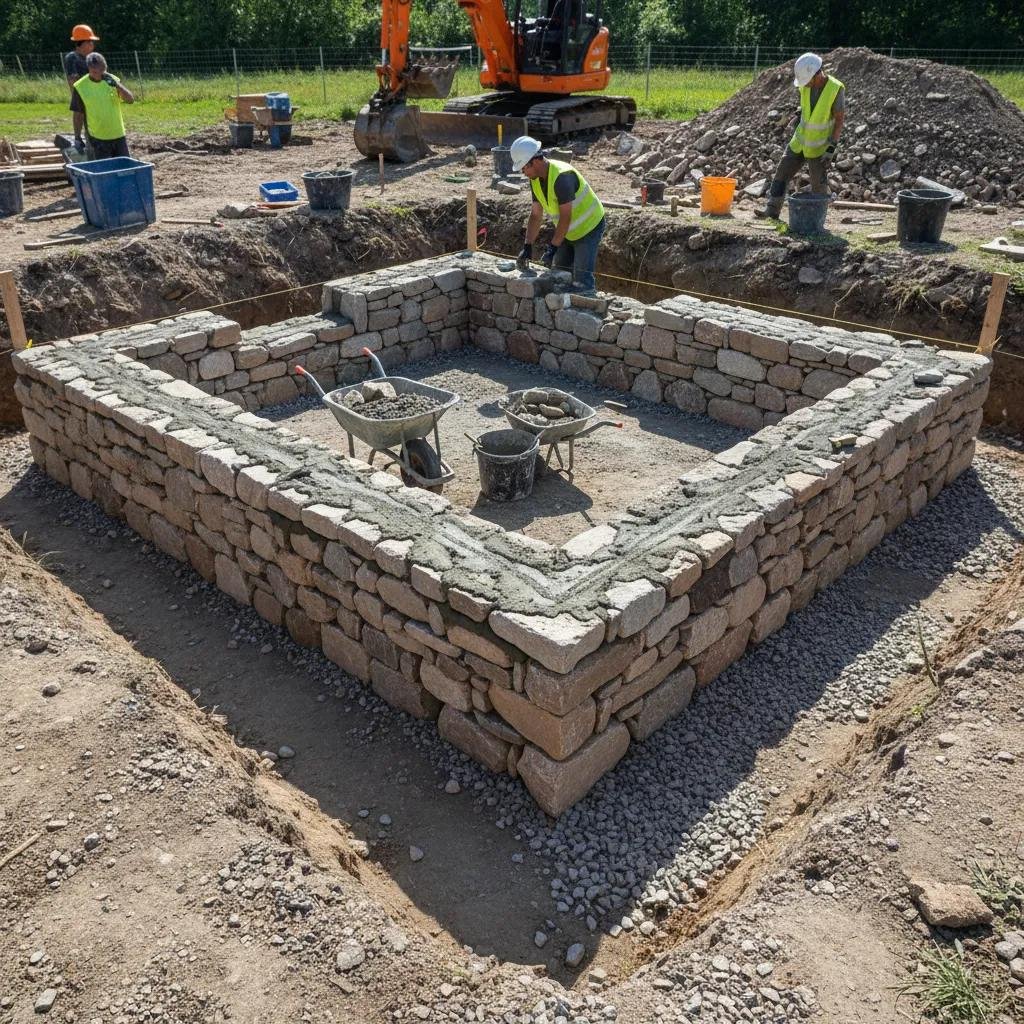
Stone masonry foundations are used in certain types of construction, particularly where specified by the structural design.
4.1 Foundation excavation
The construction team first prepares the site and excavates the foundation to the required dimensions and depth.
The excavation must follow the approved drawings and recommendations based on soil conditions.
4.2 Preparing the foundation bed
The foundation bed should be prepared according to the engineering specification.
The ground must be suitable for the proposed foundation system.
4.3 Selecting appropriate size stones
The stones should be selected according to the approved masonry specification.
Good stones should have suitable dimensions, strength and durability.
Damaged, weak or unsuitable pieces should be rejected.
4.4 Laying the stones
The mason places the stones in the specified arrangement using the required mortar.
Proper bonding, joint filling and placement are important for masonry performance.
4.5 Foundation and plinth construction
After completing the foundation masonry, further construction proceeds according to the building drawings and approved construction sequence.
The plinth level, moisture protection and other necessary components should be completed as specified.
Important: The foundation depth, width, stone dimensions, mortar specification and construction method should always be decided by a qualified structural engineer based on the soil investigation and building design.
5. How to Choose the Right Size Stones for Construction
Choosing construction stones should never be based only on price.
The material should match the actual requirements of the project.
Here are some important points to consider.
5.1 Check the stone quality
Inspect the stones before purchasing them.
Look for visible cracks, cavities, soft portions, excessive weathering and other defects.
5.2 Consider the stone type
Different stones have different properties.
Granite, quartzite, sandstone and other natural varieties should not be treated as interchangeable.
Ask your engineer or contractor which variety is suitable for your construction work.
5.3 Check the dimensions
The size of each stone matters.
Make sure the supplied material matches the approximate dimensions and grading requested for the project.
5.4 Consider the quantity
Estimate the quantity based on the foundation drawings and masonry measurements.
Ordering the correct quantity helps reduce unnecessary material handling and wastage.
5.5 Check transportation requirements
Stone materials can be heavy and require suitable transportation arrangements.
Consider the accessibility of the construction site and unloading facilities.
5.6 Purchase from a reliable supplier
A dependable supplier should be able to discuss the required stone type, approximate quantity, transportation and delivery arrangements.
Working with one supplier for multiple construction materials can also simplify material coordination.
6. Important Qualities of Good Foundation Stones
Good foundation stones should meet the specifications for the intended application.
The following characteristics are important.
Strength
The stone must have adequate compressive strength for the proposed use.
Durability
It should withstand the expected exposure conditions without premature deterioration.
Hardness and toughness
The stone should have suitable resistance to wear and mechanical damage.
Low and appropriate water absorption
Water absorption affects the performance of some natural stones.
The acceptable value depends on the stone type and application.
Sound structure
Stones should not contain major cracks, cavities, weak layers or other defects that affect their suitability.
Proper shape and dimensions
The stone dimensions should be suitable for the masonry arrangement and approved construction details.
Consistent quality
Where possible, select stones with reasonably consistent characteristics throughout the supplied quantity.
For important projects, material testing and compliance with the relevant specifications should be considered.
7. Size Stones for Different Construction Projects
Size stones are not limited to residential foundations. Different varieties can be used in several construction applications.
7.1 Independent house construction
Independent houses may require different types of construction materials for foundations, masonry, compound walls and other work.
Suitable stones can be supplied according to the project requirement.
7.2 Apartment construction
Apartment projects require careful material planning and structural coordination.
Stone masonry should only be used where it is specified in the approved design.
7.3 Commercial buildings
Commercial buildings may require different foundation systems depending on their height, loads, soil conditions and structural design.
Material selection should follow the engineer’s specifications.
7.4 Compound wall construction
Stone masonry can be used in suitable compound wall and boundary wall applications.
The required stone type and dimensions depend on the wall design and ground conditions.
7.5 Retaining wall construction
Retaining walls hold back soil and experience lateral earth pressure.
Suitable stones may be used for designed masonry retaining walls.
Drainage and structural design are especially important for this application.
7.6 Agricultural and farmhouse construction
Farmhouses, agricultural buildings and other rural structures may require natural stones for certain masonry applications.
The materials should be selected according to the proposed building design.
8. Size Stones and Other Foundation Materials
A strong construction project requires more than just stones.
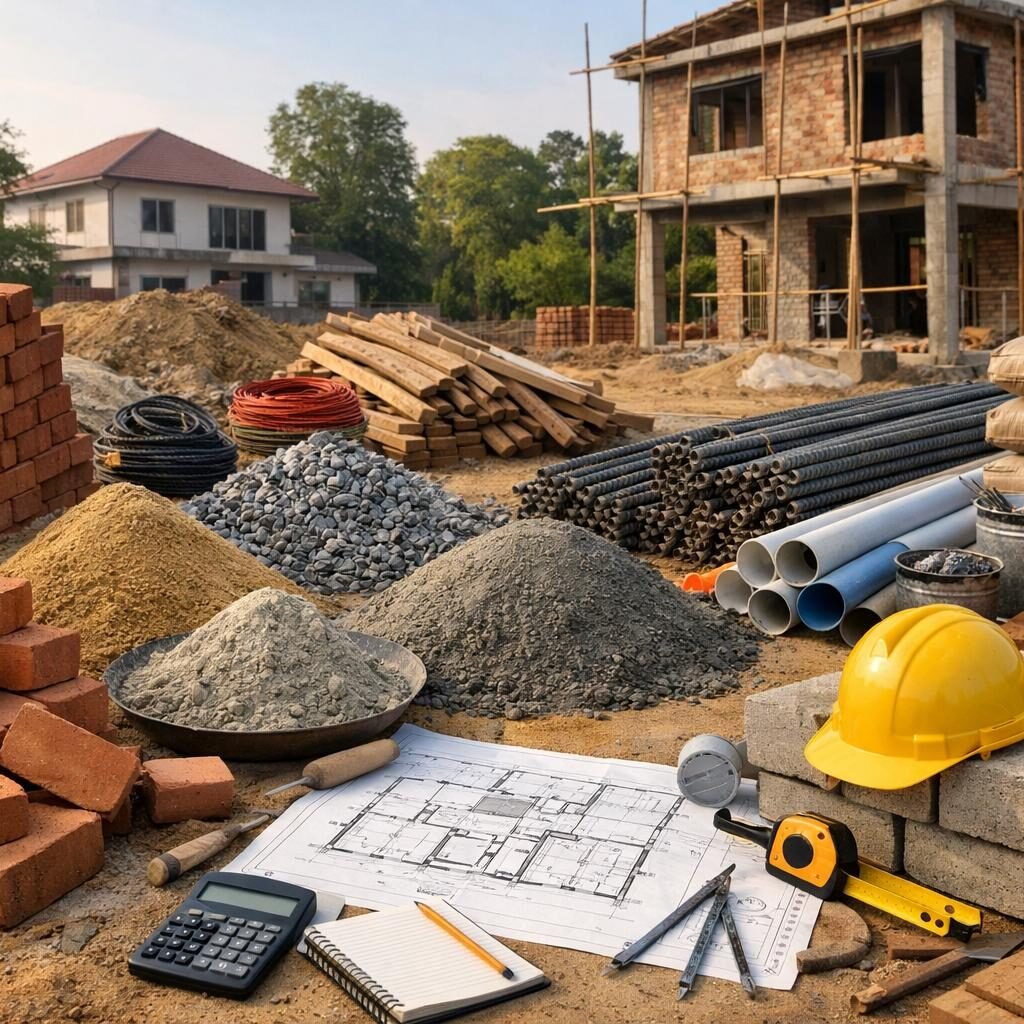
Different construction materials work together to complete the foundation and building structure.
As a construction materials supplier in Mysore, we provide a range of materials for different construction stages.
Cement
Cement is an important binding material used in concrete and masonry mortar.
The cement grade and type should match the project specification.
M-Sand and other approved sand varieties
Sand is used in concrete, mortar and other construction applications.
The correct type and grading should be selected for the intended use.
Coarse aggregates
Coarse aggregates are important components of concrete.
Their size and quality must comply with the concrete mix requirements.
Construction steel
Reinforcement steel is used in reinforced cement concrete structures.
The grade and quantity should be based on the structural drawings.
Jelly and metal aggregates
Different sizes of aggregates are used for concrete and other construction applications.
The appropriate grading should be selected according to the specification.
Bricks and blocks
Bricks and concrete blocks are used in different types of wall construction.
The correct material depends on the building design and masonry requirements.
Other construction materials
Apart from the materials mentioned above, construction projects may require:
- Waterproofing materials.
- Binding wire.
- Plumbing materials.
- Electrical materials.
- Roofing materials.
- Tiles and flooring materials.
- Painting materials.
- Finishing products.
Having access to different materials from one supplier can help simplify purchasing and site coordination.
9. Common Mistakes to Avoid When Purchasing Size Stones
Many construction problems can be avoided by checking the material before purchasing.
Here are some common mistakes to avoid.
Buying stones only because they are cheap
Low prices should not be the only deciding factor.
Poor-quality stones can affect the durability of masonry work.
Ignoring stone dimensions
Stones that are too large or too small for the specified masonry arrangement may create difficulties during construction.
Not checking for cracks
Visible cracks and weak portions can affect the suitability of stones.
Inspect the material before accepting delivery.
Ordering without checking the site requirement
Always confirm the required type and quantity with your engineer or contractor.
Ignoring transportation
A good material supplier should discuss delivery arrangements and site accessibility.
Not coordinating with the mason
The mason should know the stone type and dimensions required for the work.
Using unsuitable stones for structural work
Not every natural stone is suitable for foundation construction.
The engineer’s specifications must always take priority.
10. Benefits of Buying Size Stones from a Reliable Supplier in Mysore
Choosing a reliable construction materials supplier is an important part of managing a construction project.
A dependable supplier can make material purchasing and coordination easier.
10.1 Access to different stone varieties
Different projects require different sizes and varieties of natural stones.
A supplier who handles multiple varieties can help customers identify the material they need.
10.2 Material coordination
Construction requires multiple materials at different stages.
Buying several materials through one supplier can reduce the effort involved in contacting multiple vendors.
10.3 Quantity planning
Discussing the required quantity before ordering can help avoid unnecessary purchases and shortages.
10.4 Transportation support
Arranging suitable transportation is important because size stones are heavy materials.
Delivery arrangements should be discussed according to the project location and order quantity.
10.5 Support for different project sizes
From individual house construction to larger commercial projects, customers need suppliers who can understand their material requirements.
11. How Much Size Stone Is Required for Foundation Work?
The quantity of stones required depends on several factors.
These include:
- Total foundation length.
- Foundation width.
- Foundation height.
- Masonry arrangement.
- Stone dimensions.
- Mortar joints.
- Openings and other design details.
- Material wastage.
For preliminary planning, the gross masonry volume can be estimated by multiplying the length, width and height of the masonry section.
For example, if a rectangular masonry section is 10 metres long, 0.60 metres wide and 0.60 metres high, its gross volume is 3.6 cubic metres.
This is only an illustrative volume calculation. It is not automatically equal to the purchase volume of loose stones.
Actual stone quantities should be estimated using the project drawings, stone grading, masonry method and supplier’s measurement method.
Your contractor or quantity surveyor can prepare the material requirement based on the approved design.
12. Transportation and Delivery of Size Stones
Transportation is an important part of purchasing size stones.
Since stones are heavy construction materials, the right vehicle and unloading arrangements are necessary.
Before placing an order, consider:
- The total quantity required.
- The approximate dimensions of the stones.
- The distance to the construction site.
- Road access to the site.
- Unloading space.
- Delivery timing.
- Vehicle accessibility.
For construction projects in Mysore, customers should provide the correct delivery location when requesting a quotation.
This helps the supplier assess transportation arrangements and provide more accurate delivery information.
13. Why Choose Our Construction Materials Supply Service in Mysore?
Are you looking for a dependable construction materials supplier in Mysore?
We supply a wide range of construction materials required for different stages of building work.
Whether you are starting a new house, constructing a commercial property, building a compound wall or working on another civil engineering project, we can help you source the materials required for your project.
Wide range of size stones
We supply different varieties and sizes of natural building stones according to availability and customer requirements.
Whether you need stones for foundation masonry, general masonry or other approved construction applications, you can discuss your requirements with us.
Multiple construction materials under one roof
We understand that construction requires several different materials.
Our supply range covers materials required from foundation to finishing, helping customers coordinate their material purchases.
Materials for different projects
We cater to the material requirements of:
- Individual house owners.
- Builders.
- Civil contractors.
- Construction companies.
- Engineers.
- Property developers.
- Commercial construction projects.
Convenient material enquiries
Customers can contact us to discuss the stone type, approximate quantity, delivery location and other material requirements.
Serving Mysore and surrounding areas
We serve construction material requirements in Mysore and nearby areas, subject to delivery availability and project requirements.
Planning your next construction project? Contact us today to enquire about size stones and other construction materials in Mysore.
Ask us about availability, sizes, quantity and delivery arrangements.
14. Frequently Asked Questions About Size Stones in Mysore
Q1. What are size stones used for in construction?
Size stones are natural stones used for stone masonry, foundations, plinths, compound walls, retaining walls and other building applications. Their suitability depends on their physical properties and the construction specification.
Q2. Which stones are suitable for house foundations?
Suitable hard natural stones such as approved granite, quartzite and other specified varieties may be used for stone masonry foundations. The final selection must be based on engineering requirements, material quality and soil conditions.
Q3. Where can I buy size stones in Mysore?
You can contact local construction materials suppliers in Mysore to enquire about different stone varieties, dimensions, quantities and delivery arrangements.
We supply different varieties of size stones and other construction materials for projects in Mysore and nearby areas.
Q4. Do you supply different sizes of foundation stones?
Yes. We supply different varieties and sizes of size stones according to availability and project requirements. Contact us with your required dimensions and approximate quantity.
Q5. Are granite stones suitable for foundation work?
Some granite varieties can be suitable for masonry applications because of their strength and durability. However, the suitability of any particular stone should be verified against the project specifications.
Q6. What is the difference between rubble stones and size stones?
Rubble stones generally refer to irregular, undressed or roughly dressed stones used in rubble masonry. Size stones is a broader trade description that can refer to stones supplied in different sizes for construction. The exact meaning can vary between suppliers and local markets.
Q7. How do I calculate the quantity of size stones required?
The quantity depends on the masonry volume, stone dimensions, arrangement, mortar joints and wastage. Your contractor or quantity surveyor can estimate the required quantity from the approved foundation drawings.
Q8. Can size stones be used for compound walls?
Yes. Suitable natural stones can be used for compound wall masonry when the design and ground conditions permit it.
Q9. Do you supply other construction materials apart from size stones?
Yes. We supply a range of construction materials required for different building stages, from foundation work to finishing. Contact us to enquire about the availability of specific products.
Q10. Do you deliver size stones to construction sites in Mysore?
Delivery can be discussed according to the required quantity, location, vehicle accessibility and availability. Share your construction site location when requesting a quotation.
Q11. How can I identify good-quality size stones?
Look for stones with suitable strength, sound structure, appropriate dimensions and minimal defects. For structural applications, material testing and compliance with the relevant project specifications are important.
Q12. Can I order size stones for a small house construction project?
Yes. You can enquire about the quantity and type of stones required for your house construction project. The order and delivery arrangements will depend on availability and location.
Q13. Are size stones and jelly stones the same?
No. Size stones generally refers to natural building stones used in masonry, while jelly commonly refers to crushed stone aggregates used in concrete and other construction applications.
Q14. What other materials are needed for foundation construction?
Depending on the foundation design, materials may include cement, sand, aggregates, reinforcement steel, concrete and suitable masonry stones. The engineer’s drawings and specifications determine the actual requirements.
Q15. Why should I choose a local construction materials supplier in Mysore?
A local supplier can make it easier to discuss material availability, quantities, transportation and delivery arrangements for your construction site.
15. Conclusion: Get Quality Size Stones for Your Construction Project in Mysore
Choosing the right construction materials is essential for building safe, stable and durable structures.
Size Stones for Strong and Durable Foundations can play an important role in stone masonry foundation work when the right stone variety is selected and the construction follows proper engineering specifications.
From granite and hard stones to rubble stones, rough-dressed stones and other natural building stone varieties, different options are available for different construction requirements.
However, the right material should always be selected according to its quality, strength, dimensions and intended application.
If you are planning a house, commercial building, compound wall or another construction project in Mysore, we are here to help you with your construction material requirements.
We supply different varieties of size stones along with a wide range of construction materials required from foundation to finishing.
Looking for size stones suppliers in Mysore? Contact us today to discuss your requirements, check material availability and enquire about delivery to your construction site.
Build with the right materials. Build with confidence.
We will never break your trust like others do