




MCMS Delivers Quality M-Sand and P-Sand to Your Doorstep.

MCMS Delivers Quality M-Sand and P-Sand to Your Doorstep.
MCMS Delivers Quality M-Sand and P-Sand to Your Doorstep. Making it easier for homeowners, builders, contractors, engineers, and construction companies in Mysore to source essential sand for their building projects. Whether you are constructing a new home, developing an apartment, building a commercial property, or renovating an existing structure, choosing the right sand is an important step towards achieving good construction results.
At MCMS, we understand that every construction project requires suitable materials at the right stage. Sand is used in several applications, including concrete work, brick masonry, plastering, flooring preparation, and other building activities. However, not every type of sand is suitable for every application. Understanding the difference between M-Sand, P-Sand, concrete sand, and other available varieties can help you make a better purchasing decision.
MCMS is your construction materials supply partner in Mysore, offering support for projects that need materials from foundation to finishing. Along with different types of construction sand, you can enquire about other essential building materials required throughout your construction journey.
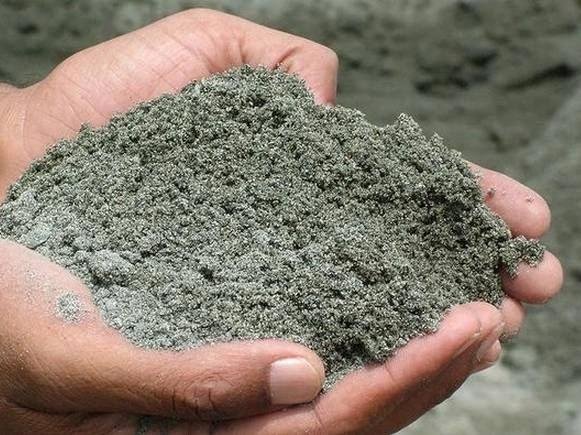
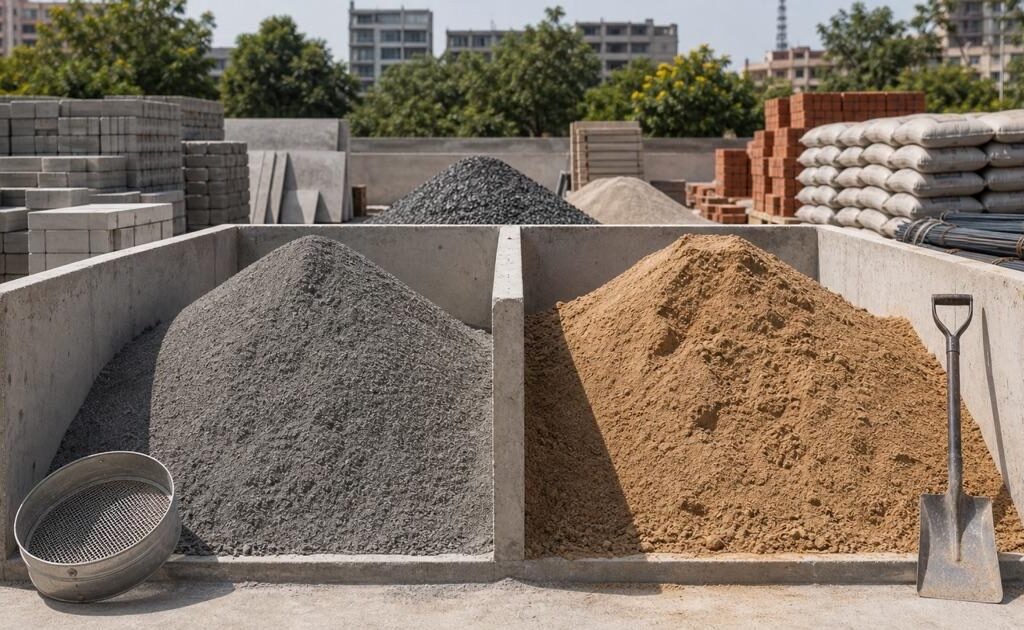
If you are searching for an M-Sand supplier in Mysore, a P-Sand supplier near you, or a dependable source for construction materials delivered to your site, MCMS is ready to help you identify the right materials for your requirements.
Table of Contents
Introduction to MCMS Sand Supply in Mysore
Why Choosing the Right Construction Sand Matters
What Is M-Sand?
What Is P-Sand?
What Is Concrete Sand?
Other Types of Sand Used in Construction
M-Sand vs P-Sand vs Concrete Sand
How to Choose Sand for Different Construction Stages
Benefits of Ordering Sand from MCMS
Construction Materials Available from MCMS
How Sand Quality Can Affect Your Construction
Tips for Ordering Sand in Mysore
Construction Sand Delivery Across Mysore
Why Builders and Homeowners Need a Reliable Supplier
Frequently Asked Questions
Conclusion
- Introduction to MCMS Sand Supply in Mysore
Building a property requires careful planning, skilled workmanship, suitable materials, and reliable coordination between suppliers and construction teams. Among the many materials used on a construction site, sand plays a particularly important role in concrete, mortar, plastering, and other applications.
Choosing the right sand is not simply about finding the lowest price. Its grading, particle shape, cleanliness, moisture content, and suitability for the intended application can affect the workability and performance of a construction mixture.
MCMS aims to make material procurement more convenient for customers in Mysore by supplying construction essentials and helping customers enquire about the right products for their projects. Whether you are purchasing materials for an individual house or arranging supplies for a larger development, having a supplier who understands your requirements can make the process easier.
MCMS Delivers Quality M-Sand and P-Sand to Your Doorstep in Mysore
When you plan your construction budget, you need to consider both material quality and delivery arrangements. A suitable supplier helps you coordinate the required quantity, product type, delivery location, and schedule.
MCMS supplies M-Sand and P-Sand for construction requirements, along with other types of sand that customers may need for different applications. Availability, grading, and suitability should be confirmed when placing an order.
Our aim is to support customers who want to source building materials conveniently without having to coordinate every material purchase separately.
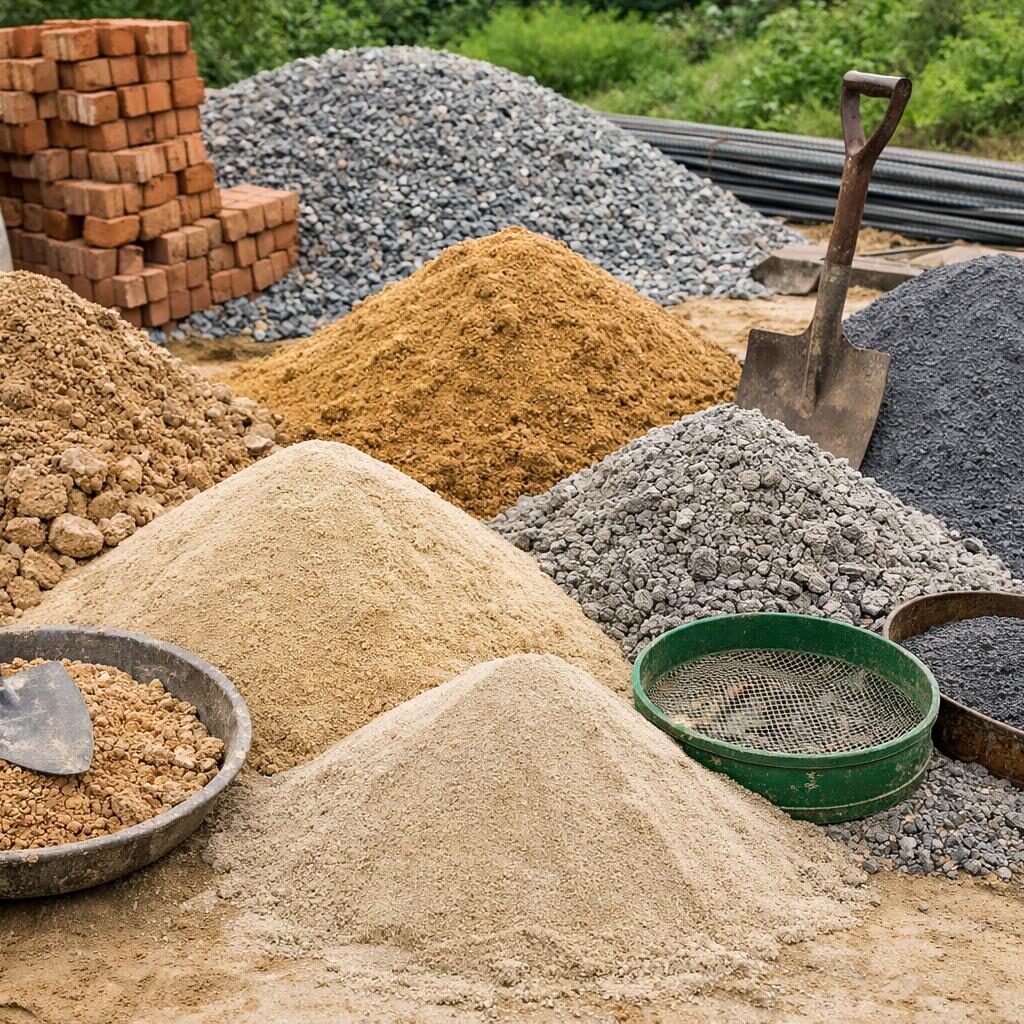

Whether you are starting the foundation of a new house or moving towards plastering and finishing, MCMS can help you enquire about the construction materials needed for your next stage.
- Why Choosing the Right Construction Sand Matters
Sand is a fine aggregate used in many construction mixtures. Depending on the application, it can contribute to workability, particle packing, surface finish, and the overall performance of the finished work.
For example, concrete requires aggregates that meet the project’s specified requirements. Plastering requires a suitable fine material that can help produce an even surface. Masonry mortar also needs sand appropriate for the intended mortar and workmanship.
Using an unsuitable material may cause practical difficulties, such as poor workability, an inconsistent finish, increased material wastage, or difficulty achieving the specified performance.
Here are a few factors to consider before ordering sand.
Particle size and grading
Sand contains particles of different sizes. Their distribution is known as grading. Suitable grading depends on the application and relevant specifications.
Cleanliness
Excessive clay, silt, organic matter, and other unwanted materials can affect performance. The acceptable limits depend on the intended use and applicable standards.
Moisture content
Sand can contain different amounts of moisture depending on storage and weather conditions. Moisture can affect the quantity of water needed in a mix, especially when concrete proportions are being controlled.
Intended application
Sand suitable for one application should not automatically be assumed suitable for another. Confirm whether the material is intended for concrete, plastering, masonry, or another purpose.
Technical requirements
For structural concrete, the engineer or contractor should verify that the aggregate meets the specified requirements. In India, IS 383 addresses requirements for coarse and fine aggregates for concrete. You can refer to the Bureau of Indian Standards standard information for relevant specifications.
Choosing the right material before delivery helps your construction team plan the work more effectively.
- What Is M-Sand?
M-Sand stands for manufactured sand. It is produced by processing suitable rock or stone into sand-sized particles using crushing and screening equipment.
Manufactured sand is used as an alternative to natural sand in applications where the material meets the necessary technical requirements. Its properties depend on the source rock, manufacturing process, grading, particle shape, and quality-control procedures.
M-Sand is commonly considered for concrete and other construction applications. However, the exact grade and characteristics must be suitable for the intended work.
Common uses of M-Sand
M-Sand may be used for:
Reinforced cement concrete, where the material meets the specified requirements.
Concrete slabs, beams, columns, and other structural elements.
Concrete blocks and precast products, when suitable for the product specification.
Selected masonry and general construction applications.
Other cement-based mixtures where the grading and properties are appropriate.
The engineer or contractor should confirm the material specification before it is used in structural concrete.
Why builders consider M-Sand
- A manufactured alternative to natural sand
M-Sand provides another sourcing option for construction projects that need suitable fine aggregate.
- Controlled production
Crushing and screening can help manufacturers produce material within specified grading ranges. Actual consistency depends on the producer’s process and quality controls.
- Application-specific selection
Different products may be available for different construction purposes. Buyers should request the intended grade rather than assuming all M-Sand products are identical.
- Convenient project planning
Ordering the required material through a construction supplier can help contractors coordinate deliveries with the construction schedule.
How to choose M-Sand for your project
Before purchasing M-Sand, ask your supplier about its intended application, grading, source, and available quality documentation. If the material is required for structural concrete, ask your engineer or contractor to verify that it meets the project specification.
At MCMS, customers in Mysore can enquire about M-Sand availability, quantities, and delivery requirements for their construction projects.
- What Is P-Sand?
P-Sand generally refers to plastering sand. It is processed for plastering applications where suitable particle grading and a consistent finish are important.
Plastering sand is used to prepare mortar for coating walls and ceilings. The suitability of the material depends on the plaster specification, particle distribution, cleanliness, and the requirements of the work.
A good plastering mix should be appropriate for the surface and application method. The final result also depends on the cement or binder, water proportion, surface preparation, curing, weather, and the skill of the mason.
Common uses of P-Sand
P-Sand is commonly considered for:
Internal wall plastering.
External wall plastering, where the specified material is suitable.
Ceiling plastering, where appropriate.
Selected repair and finishing mortars.
Other plastering applications recommended by the contractor.
The appropriate grade may differ according to the plaster thickness, surface, and required finish.
Why suitable plastering sand matters
A smoother finish: Sand with suitable grading can help the mason achieve the intended surface texture.
Better workability: Appropriate material can make the mortar easier to spread and finish, depending on the complete mix.
Consistent application: Material with reasonably consistent properties can help the team maintain uniform workmanship.
Reduced finishing difficulties: Selecting suitable sand and following correct mixing and curing practices can help reduce avoidable surface problems.
It is important to understand that P-Sand alone cannot guarantee crack-free plaster. Mix proportions, excessive water, substrate preparation, curing, environmental conditions, and workmanship all play important roles.
When should you order P-Sand?
Consider ordering P-Sand when your project is approaching the plastering stage. Estimate the wall and ceiling areas, confirm the specified plaster thickness, and ask your contractor to calculate the required quantity.
If you are building a house in Mysore and need sand for both concrete and plastering, MCMS can help you enquire about M-Sand, P-Sand, and other available construction materials.
- What Is Concrete Sand?
Concrete sand is a general trade term used for sand intended for concrete production. Depending on the supplier and region, the term may refer to a specified fine aggregate or a product selected for concrete mixing.
The important point is that the name alone does not establish whether the material is suitable for a particular concrete grade. Its properties must meet the requirements of the mix design and applicable specifications.
Concrete is made using cement, water, fine aggregate, coarse aggregate, and, where required, admixtures. The proportions and properties of these materials influence the concrete’s workability, strength, and durability.
Common applications of concrete sand
Suitable fine aggregate may be used for:
Residential building concrete.
Reinforced concrete work.
Concrete slabs and foundations.
Beams and columns.
Footings and other structural elements.
Non-structural concrete applications.
Precast products, where the material meets the relevant requirements.
The specific use must be confirmed by the engineer or concrete supplier.
What should you check before buying concrete sand?
First, confirm the intended concrete application and specification. Then ask about grading, cleanliness, available test reports, and whether the product is appropriate for the planned mix.
For structural concrete, do not select sand based only on appearance or price. The material should be assessed against the requirements established for the project.
MCMS can help customers in Mysore enquire about concrete sand and coordinate their material requirements with their construction schedule.
- Other Types of Sand Used in Construction
Different projects require different materials. Besides M-Sand, P-Sand, and concrete sand, customers may come across several other sand products.
Names used in the market can vary between suppliers. Always confirm the actual product specification, grading, and intended use before ordering.
6.1 River sand
River sand is naturally occurring sand obtained from permitted sources. Its properties vary depending on the source and processing.
It has traditionally been used in construction applications, including mortar and concrete, where the material meets the required specification.
When considering river sand, verify its legal sourcing, cleanliness, grading, and suitability. Availability and permitted use may vary, and customers should follow applicable local rules.
6.2 Plastering sand
Plastering sand is selected for plastering mortar and wall-finishing applications. P-Sand is a commonly used trade name for this type of product.
It should have properties appropriate for the plaster specification and the surface being finished.
6.3 Concrete sand
Concrete sand is intended for concrete applications when it meets the relevant grading and quality requirements. It should not be confused with every product marketed as general construction sand.
6.4 Masonry sand
Masonry sand is used in mortar for brickwork and blockwork when it meets the specified requirements.
Its suitability depends on the type of masonry, mortar specification, grading, and desired workability.
6.5 Manufactured sand
Manufactured sand is produced by processing suitable rock or other permitted source materials into fine aggregate. M-Sand is a common name for manufactured sand produced from crushed stone.
Its suitability depends on the production process, grading, particle characteristics, and application.
6.6 Filling sand
Filling sand is a trade description for sand used in selected filling and levelling applications. It is not automatically suitable for structural concrete or every type of foundation work.
Before ordering filling material, confirm the required compaction, soil conditions, drainage needs, and project specifications with the site engineer.
6.7 Fine sand
Fine sand describes material with relatively small particles. The term alone does not identify a particular approved construction product.
Fine sand may be considered for specific finishing or mortar applications, but its suitability depends on grading and the intended use.
6.8 Coarse sand
Coarse sand contains relatively larger particles than finer sand products. Its suitability depends on the application and the required grading range.
Do not assume that coarse sand can replace concrete aggregate or plastering sand without checking the specification.
6.9 Screened sand
Screened sand is sand that has been passed through screening equipment to separate material by particle size. The final grading and cleanliness depend on the processing method and source material.
Customers should confirm the intended use rather than relying only on the term “screened.”
6.10 Special-purpose and blended sands
Some construction applications use blended fine aggregates or products developed for particular specifications. These materials may combine different sources or grading fractions.
The correct selection should be based on the project requirements, not simply on the product name.
Which sand should you choose?
The best starting point is to identify the task: concrete, plastering, masonry, filling, or another application. Then ask your contractor or engineer to confirm the required material.
MCMS can help customers enquire about available sand types in Mysore and coordinate orders according to the project’s requirements.
- M-Sand vs P-Sand vs Concrete Sand
M-Sand, P-Sand, and concrete sand are not interchangeable terms. They may describe different products, production characteristics, or intended applications.
Feature M-Sand P-Sand Concrete sand
Meaning Manufactured sand Plastering sand Sand intended for concrete
Main consideration Source, grading, and quality Suitability for plastering Concrete specification and grading
Common application Concrete and selected construction work Wall and ceiling plastering Concrete production
Particle characteristics Depend on manufacturing and grading Selected for the specified plaster finish Must meet the concrete mix requirements
Selection advice Check the required grade Check plaster specification Check mix design and aggregate specification
Can M-Sand be used instead of P-Sand?
Not automatically. M-Sand and P-Sand may have different grading and particle characteristics. A product suitable for concrete may not provide the properties required for a particular plastering application.
Check the product specification and ask your contractor before substituting one type for another.
Is concrete sand the same as M-Sand?
Not necessarily. Concrete sand describes the intended application, while M-Sand describes a manufactured material. M-Sand can be used as a concrete fine aggregate when it meets the relevant requirements.
Can one sand type be used for the entire building?
A construction project may require different sand products for different stages. The correct selection depends on the concrete specification, mortar requirements, finishing work, and engineering instructions.
Buying the right product for each application can help reduce unsuitable material use and unnecessary reordering.
- How to Choose Sand for Different Construction Stages
A typical building project progresses from groundwork and foundation construction to structural work, masonry, plastering, flooring, and finishing.
The material required at each stage can differ. A well-planned procurement schedule helps the contractor order the correct products at the right time.
Foundation and footing work
Foundations transfer building loads to the supporting ground. The design may involve excavation, reinforcement, concrete, and other specified materials.
Where concrete is required, the fine aggregate must meet the project specification. Do not use general filling sand as a substitute for a specified concrete aggregate.
For filling or levelling, follow the site engineer’s instructions regarding material type, layer thickness, and compaction.
Columns, beams, and slabs
These structural components require careful control of concrete materials and proportions.
The fine aggregate should meet the concrete mix requirements, and the water content should be controlled appropriately. Material substitutions should be approved by the responsible engineer or concrete supplier.
Brickwork and blockwork
Masonry requires mortar suitable for the brick or block type and the specified construction method.
Ask your contractor whether a particular masonry sand or another approved fine aggregate is required. Suitable grading can help with mortar workability and joint finishing.
Internal wall plastering
P-Sand is commonly considered for plastering applications. Before ordering, confirm the plaster specification, surface area, thickness, and finish required.
External wall plastering
External plastering may have different exposure and performance requirements from internal plastering. The material and mix should be selected according to the design and local conditions.
Flooring and finishing
Flooring preparation, screeds, and other finishing applications may require specific sand grading or premixed products. Confirm the specification before using leftover material from another stage.
Planning materials for each stage
It is helpful to maintain a list of materials needed for each phase. Your contractor can estimate quantities and delivery timing, while MCMS can help you enquire about the required construction supplies.
This approach can make site coordination easier and help prevent delays caused by ordering the wrong material.
- Benefits of Ordering Sand from MCMS
Selecting a construction material supplier involves more than comparing the quoted rate. Customers also need clear communication, suitable products, practical delivery coordination, and an understanding of their requirements.
MCMS serves customers looking for construction materials in Mysore, including sand for different building applications.
A range of construction sand options
Customers can enquire about M-Sand, P-Sand, concrete sand, and other available sand varieties according to their project requirements.
Since the suitability of each product depends on the application, confirm the required grade before placing the order.
Support for different project sizes
Material requirements differ between a small renovation, an individual house, and a larger construction project.
Sharing the project details and estimated quantity helps the supplier assess the order and discuss delivery arrangements.
Convenient delivery coordination
Having materials delivered to the construction site can reduce the need for customers to arrange separate transportation.
Delivery availability, charges, vehicle access, and scheduling should be confirmed when requesting a quote.
Support throughout construction
A building project may need multiple materials at different stages. MCMS supplies construction materials from foundation to finishing, helping customers enquire about several requirements through one supplier.
Clear ordering communication
Before confirming an order, ask about the product, quantity, rate, transport charges, unloading arrangements, and expected delivery schedule.
Clear communication helps both the customer and supplier understand the order.
Local construction requirements
Customers building in Mysore may need to coordinate deliveries according to site access, labour schedules, and local project conditions.
Provide your location and preferred delivery date when contacting MCMS so that the available arrangements can be discussed.
- Construction Materials Available from MCMS
Sand is only one part of a construction project. Depending on the building design and stage of work, you may also need cement, aggregates, blocks, bricks, steel, and other building essentials.
MCMS supplies construction materials for customers planning work from foundation to finishing. Contact the team to confirm current product availability, specifications, and delivery arrangements.
Cement
Cement is used in concrete, mortar, plastering, and other construction applications. The appropriate cement type and grade depend on the work and project specifications.
M-Sand and P-Sand
M-Sand is commonly considered for suitable concrete applications, while P-Sand is commonly used for plastering. The product must be selected according to the required specification.
Concrete aggregates
Coarse aggregates are important components of concrete. Their nominal size and properties should meet the project requirements.
Bricks and blocks
Bricks and blocks are used for walls and other masonry applications. Selection depends on the building design, structural requirements, dimensions, and intended use.
Steel and reinforcement materials
Reinforcement steel is used in reinforced concrete where specified by the structural design. Diameter, grade, quantity, and detailing must follow the approved drawings and engineering requirements.
Other building materials
Depending on availability, a construction project may also require additional materials for groundwork, masonry, flooring, waterproofing, and finishing.
Ask MCMS which products are currently available for your location and project stage.
Internal link suggestion: Link the words “construction materials in Mysore” to your actual construction-materials service page.
Internal link suggestion: Link the words “cement suppliers in Mysore” to your cement category or product page if you have one.
Internal link suggestion: Link the words “M-Sand supplier in Mysore” to your dedicated M-Sand service page, if available.
- How Sand Quality Can Affect Your Construction
Construction materials should be selected according to their intended application. Sand quality is one of the factors that can influence how a cement-based mixture performs.
Workability
Workability describes how easily fresh concrete or mortar can be mixed, placed, compacted, and finished. Aggregate grading, particle shape, water content, and the other ingredients all influence workability.
A mixture that is too dry or too wet can create difficulties during construction. Follow the specified mix proportions rather than adding water without control.
Surface finish
Plastering sand with suitable grading can help the mason produce the required surface texture. However, the final finish also depends on the mortar, substrate, tools, application thickness, and workmanship.
Strength and durability
For concrete, aggregate characteristics form part of the overall mix design. The cement, water-to-cement ratio, aggregate grading, compaction, curing, and environmental exposure all influence performance.
No sand type should be described as guaranteeing a particular concrete strength without appropriate evidence and testing.
Material consistency
Differences in grading, moisture, and cleanliness can affect the behaviour of the mixture. Where required, contractors should check test results and verify the delivered material against the specification.
Avoiding unsuitable substitutions
A material supplied for filling or plastering should not automatically be used in structural concrete. Confirm the intended use and seek approval before substituting materials.
The importance of professional guidance
For structural applications, follow the structural drawings, concrete mix design, and instructions of the responsible engineer. A supplier can help identify available products, but technical approval must be based on the project’s requirements.
- Tips for Ordering Sand in Mysore
Before ordering construction sand, take a few minutes to confirm the details. This can help avoid confusion and make delivery coordination easier.
- Identify the application
Tell the supplier whether the sand is required for concrete, plastering, masonry, filling, or another task.
- Confirm the required grade
Ask your contractor or engineer to specify the required product and grading. Do not rely on a generic name alone.
- Estimate the quantity
Ask your contractor to estimate the quantity required for the work. If ordering in tonnes or cubic metres, confirm the unit used in the quotation.
The relationship between weight and volume depends on density, moisture, and compaction, so these units should not be treated as automatically equivalent.
- Confirm the price
Ask whether the quote includes transportation, unloading, taxes, and any other applicable charges.
- Share the delivery location
Provide your site address or a clear location reference. Mention narrow roads, restricted entry, or other access limitations that may affect vehicle movement.
- Arrange the delivery timing
Coordinate the delivery with labour availability, site access, and the construction schedule.
- Check the delivered material
Verify the product type and quantity against the order. Where quality documentation or testing is required, request the relevant information.
- Plan storage
Prepare a suitable storage area so that the sand does not become unnecessarily contaminated with soil, waste, or other materials.
- Keep the order details
Retain the quotation, delivery confirmation, invoice, and any product documentation relevant to the project.
- Plan upcoming requirements
If the project is moving from structural work to plastering, discuss the next material requirements in advance. This helps your team coordinate purchases with the work schedule.
- Construction Sand Delivery Across Mysore
Construction delivery planning is important because a site cannot always store large quantities of material. The right delivery arrangement depends on the order size, road access, storage space, and construction programme.
MCMS serves customers seeking construction materials in Mysore. Contact the team to confirm whether sand delivery is available for your particular neighbourhood or project location.
When requesting delivery, provide the following information:
The type of sand required.
The estimated quantity.
The project or delivery location.
The preferred delivery date.
Any site-access restrictions.
Whether you need other construction materials in the same order.
Residential construction
Homeowners building individual houses often need materials in stages. Coordinating the required sand with the contractor can help prevent excessive storage and reduce the risk of ordering unsuitable products.
Apartment and commercial projects
Larger projects may require more detailed material planning, consistent product specifications, and coordinated delivery schedules. Share the project requirements in advance so that availability and logistics can be discussed.
Renovation projects
Renovation work may need smaller quantities of sand or several different materials over a short period. Explain the type of work and the amount required when requesting a quotation.
Confirm service coverage
Do not assume that every delivery area has the same availability or transport cost. Confirm the delivery location, minimum order requirements if applicable, and the final quotation with MCMS before making arrangements.
- Why Builders and Homeowners Need a Reliable Supplier
A construction project involves many decisions, from selecting materials to coordinating labour and managing expenses. A reliable supplier can make material procurement easier by communicating clearly and helping customers understand the available options.
Better material planning
Knowing what material is required at each stage helps the project team plan purchases and storage.
Easier coordination
Ordering materials according to the work schedule can help reduce avoidable interruptions. Delivery timing should be agreed upon with the supplier and contractor.
Clearer cost comparisons
A useful quotation should identify the product, quantity, unit rate, transport charges, and other applicable costs. Comparing quotations on the same basis helps customers understand the actual cost.
Fewer product-selection mistakes
Explaining whether sand is needed for concrete, plastering, or filling helps the supplier identify the appropriate product category. The final technical selection should still follow the project specification.
Support from foundation to finishing
Customers may need different building materials at different times. MCMS helps customers enquire about construction supplies for multiple stages of their projects.
For homeowners, contractors, and builders in Mysore, the goal is to source suitable materials, arrange delivery efficiently, and keep the work moving according to the construction plan.
- Frequently Asked Questions
- What is M-Sand?
M-Sand, or manufactured sand, is produced by processing suitable rock or stone into sand-sized particles. It can be used in concrete and other applications when it meets the required specification.
- What is P-Sand used for?
P-Sand generally refers to plastering sand. It is commonly used in wall and ceiling plastering where its grading and properties suit the specified mortar.
- Is M-Sand suitable for concrete?
M-Sand can be suitable for concrete when it meets the applicable aggregate specification and the project’s mix-design requirements. The engineer or concrete supplier should verify its suitability.
- Can I use P-Sand for concrete?
Do not assume that P-Sand is suitable for structural concrete. Confirm the grading and specification with your engineer or contractor before use.
- What is the difference between M-Sand and P-Sand?
M-Sand describes manufactured sand, while P-Sand commonly describes sand intended for plastering. The products may have different grading and application requirements.
- What type of sand is used for plastering?
Plastering sand, commonly called P-Sand, is often selected for this purpose. The exact material should match the plaster specification and the finish required.
- What type of sand is used for concrete?
Concrete requires fine aggregate that meets the applicable specification and the approved mix design. Suitable M-Sand or another approved fine aggregate may be used depending on the project.
- Does MCMS supply construction sand in Mysore?
MCMS serves customers looking for construction materials in Mysore. Contact the team to confirm the current availability of M-Sand, P-Sand, concrete sand, and other varieties for your location.
- Can I order sand for a house construction project?
Yes, you can enquire with MCMS about sand and other construction materials for your house project. Share your material requirements, approximate quantity, and delivery location to discuss the available options.
- Does MCMS supply materials other than sand?
MCMS supplies construction materials from foundation to finishing. Contact the team for the current product list and availability of the materials required for your project.
- How do I calculate the quantity of sand needed?
The quantity depends on the area, application, thickness, mix proportions, and expected material losses. Ask your contractor to estimate the required quantity based on the actual project measurements.
- Is the price of M-Sand and P-Sand the same?
Not necessarily. Prices can vary according to product specifications, quantity, source, transportation, and market conditions. Request a current quotation for the required material and delivery location.
- Can sand be delivered directly to my construction site?
Delivery availability depends on the location, order size, vehicle access, and supplier arrangements. Contact MCMS to confirm delivery options for your site in Mysore.
- What should I check when sand arrives?
Check the product and quantity against your order. Where necessary, verify the relevant grading, quality documentation, and project specification with your contractor.
- Why should I choose a local construction material supplier?
A local supplier may make communication and delivery coordination more convenient, depending on service coverage and logistics. Compare product suitability, total delivered cost, availability, and service before making your decision.
- Which sand is best for building a house?
There is no single sand type that is best for every stage. The correct choice depends on whether the material is needed for concrete, masonry, plastering, filling, or another application. Follow the approved specifications for your project.
- Does sand quality affect plastering?
Yes. Grading, cleanliness, mix proportions, water content, surface preparation, curing, and workmanship can all influence the plastering result.
- What details should I provide when asking for a quote?
Mention the sand type, quantity, delivery address, preferred date, and intended use. Also ask whether transport and unloading are included in the quotation.
- Conclusion: Order Construction Sand from MCMS in Mysore
MCMS Delivers Quality M-Sand and P-Sand to Your Doorstep, helping customers in Mysore enquire about essential construction materials for different stages of building work.
From manufactured sand for suitable concrete applications to plastering sand for wall finishing, choosing the right product starts with understanding the intended use and confirming the required specification. Concrete sand, masonry sand, filling sand, and other products must also be selected according to the work for which they are intended.
MCMS supports construction material requirements from foundation to finishing, giving homeowners, builders, and contractors a convenient place to enquire about the products needed for their projects.
If you are planning a new house, an apartment, a commercial building, or a renovation, prepare your material list and confirm your requirements with your contractor. Then contact MCMS to enquire about available sand types, quantities, pricing, and delivery arrangements in Mysore.
Need M-Sand, P-Sand, or other construction materials in Mysore? Contact today to discuss your requirements and request a quotation.
Build with a plan, choose materials suitable for the job, and coordinate your supplies carefully with MCMS.
We will never break your trust like others do